

How does CBD work in the body? Receptors as Cellular Gatekeepers
How does CBD work in the body? Receptors as Cellular Gatekeepers
Cannabinoid Receptors
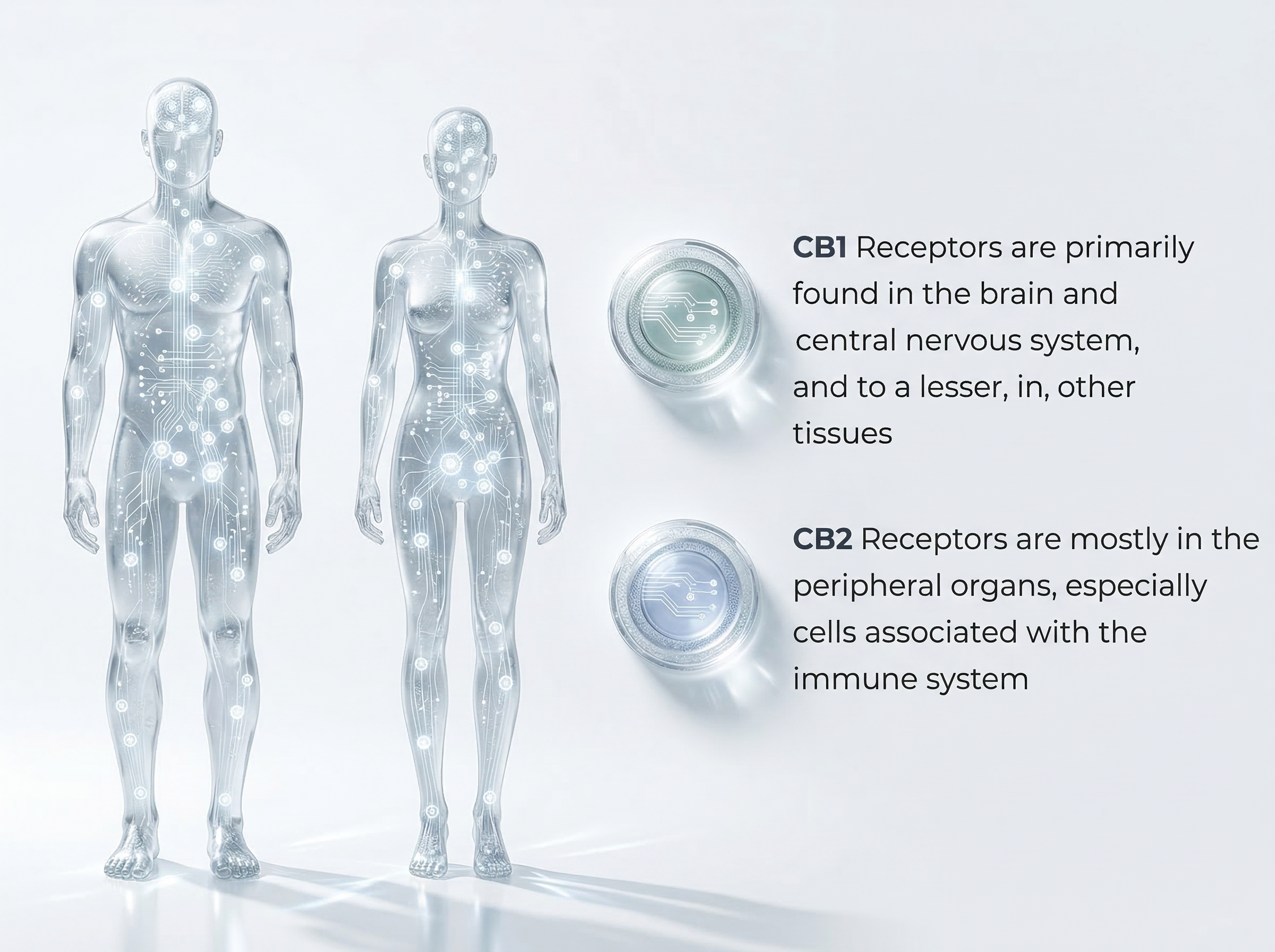
The ECS is comprised of two types of receptors, CB1 and CB2, which respond positively to the compounds naturally produced by our bodies and plants called cannabinoids
Receptors are critical parts of the ECS and are found on all cell surfaces. They act as our "cellular gatekeepers"
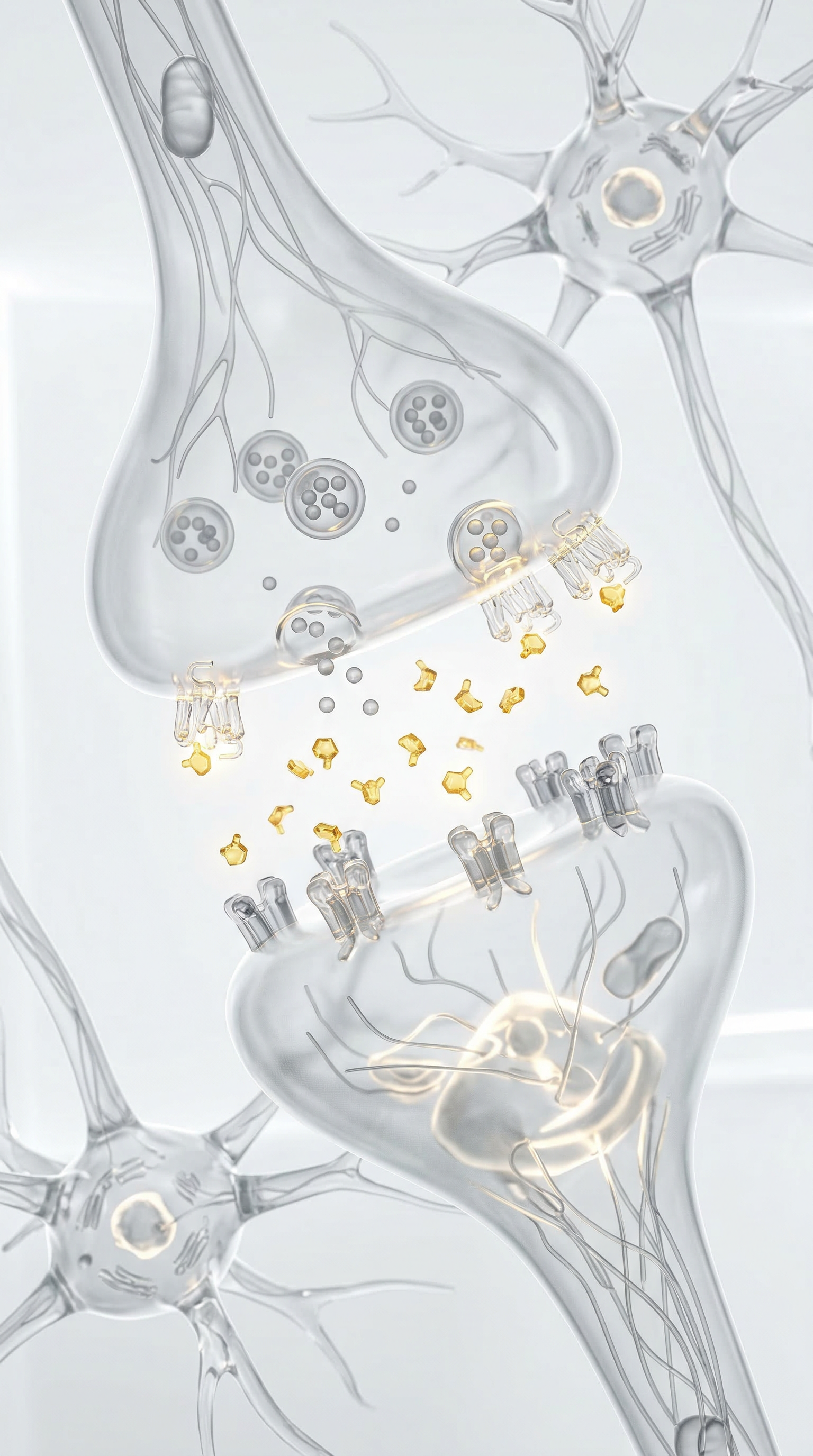
Endocannabinoids Cannabinoids produced naturally inside your body
Your body is equipped with its own built-in cannabinoid system. Endocannabinoids are lipid-based molecules synthesized on demand by your cells and released into the space between neurons to carry chemical messages. Unlike most neurotransmitters, they travel backwards — from the receiving cell back to the sending cell — in a process called retrograde signaling.
The two best-studied endocannabinoids are Anandamide (AEA) — often called the "bliss molecule" — and 2-Arachidonoylglycerol (2-AG), which is the most abundant and acts at both CB1 and CB2 receptors. These molecules are produced in response to need (exercise, stress, hunger, pain), carry their signal, and are then quickly broken down by enzymes so the signal doesn't overstay its welcome.
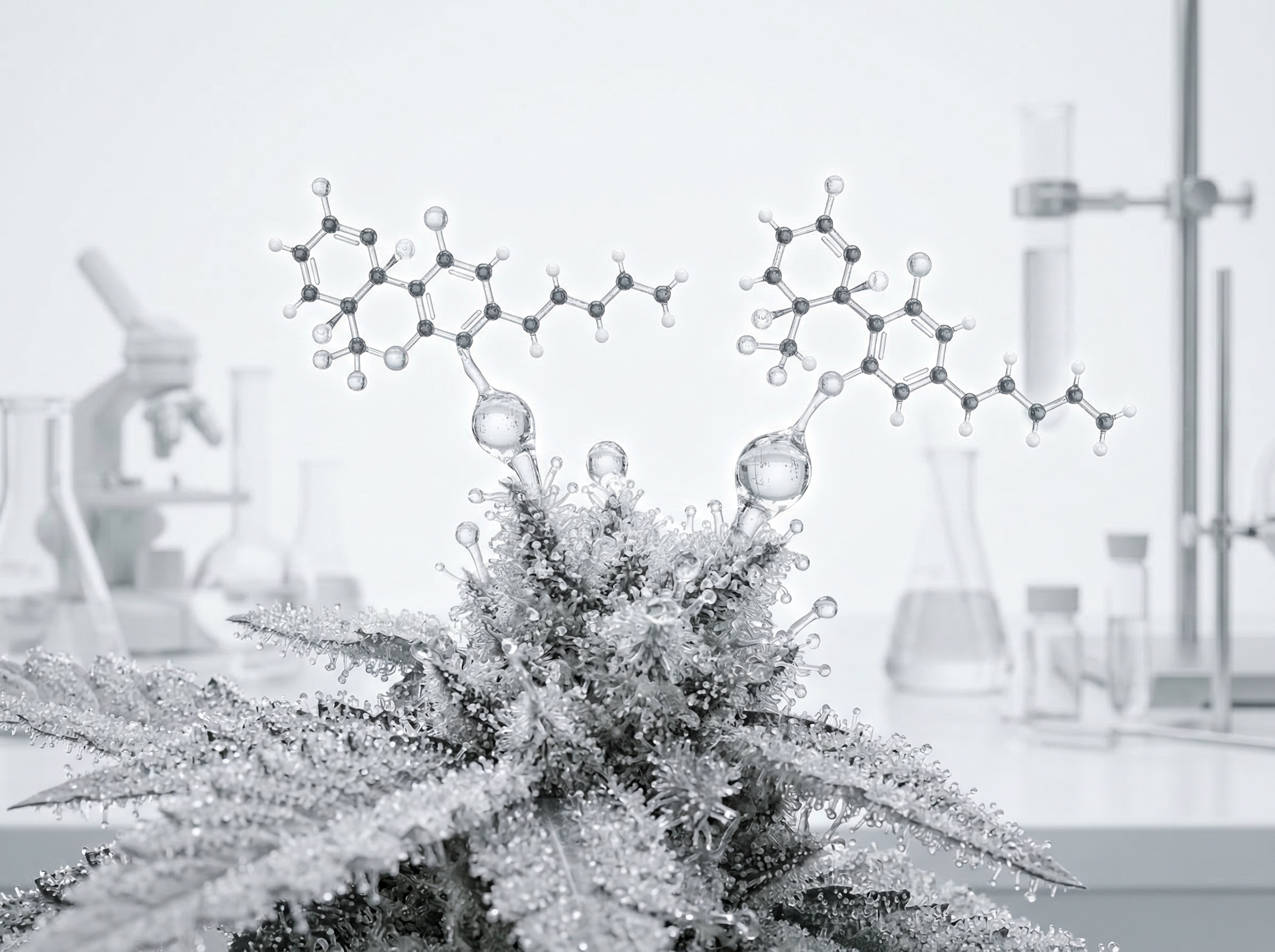
Phytocannabinoids Cannabinoids produced naturally by plants
Phytocannabinoids are compounds produced naturally in the resin glands (trichomes) of cannabis plants — and in trace amounts in a few other plants like Echinacea, black pepper, and cacao. Over 100 phytocannabinoids have been identified. They mimic or interact with the same receptor system your body uses for endocannabinoids, which is why they have biological effects in humans.
The most well-known are THC (tetrahydrocannabinol), which produces psychoactive effects by binding strongly to CB1 receptors in the brain, and CBD (cannabidiol), which does not directly bind CB1/CB2 receptors but modulates the system in more indirect ways — influencing anxiety, inflammation, and seizure thresholds.
Phytocannabinoid Chemical Structures
Plants in the cannabis family produce over 100 unique chemical compounds called phytocannabinoids. These molecules are synthesized in microscopic resin glands called trichomes, primarily on the flowers and leaves. Each compound has a slightly different molecular structure, which is why each one interacts with the body's receptor system in a distinct way.
The four most studied phytocannabinoids are:
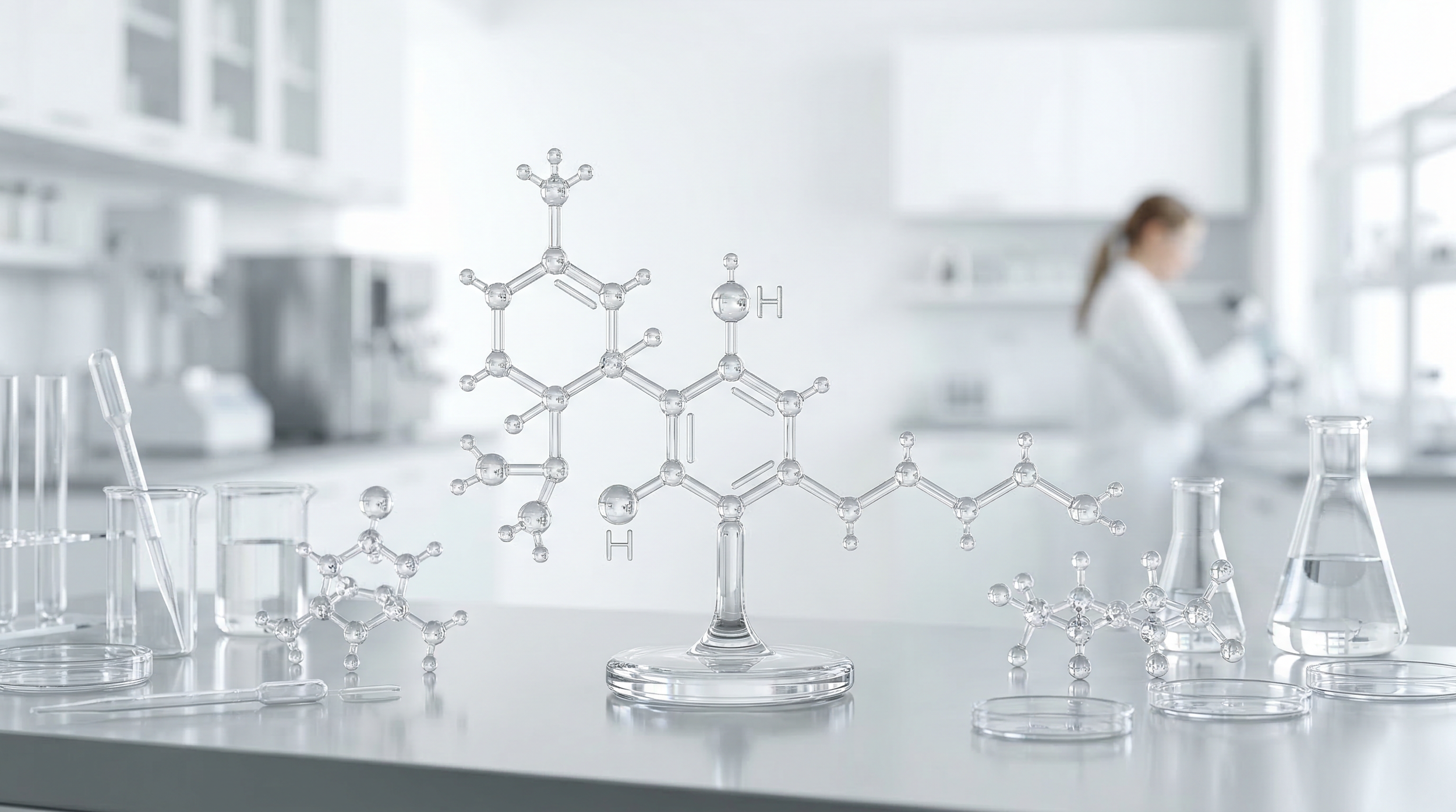
CBD (Cannabidiol)
The most abundant compound in hemp varieties. It does not cause intoxication. Research suggests it has anti-inflammatory, anxiolytic (anti-anxiety), and anticonvulsant properties. Because it does not directly activate CB1 or CB2 receptors, scientists believe it works through multiple indirect pathways — influencing serotonin receptors, vanilloid receptors (TRPV1), and enzyme activity.
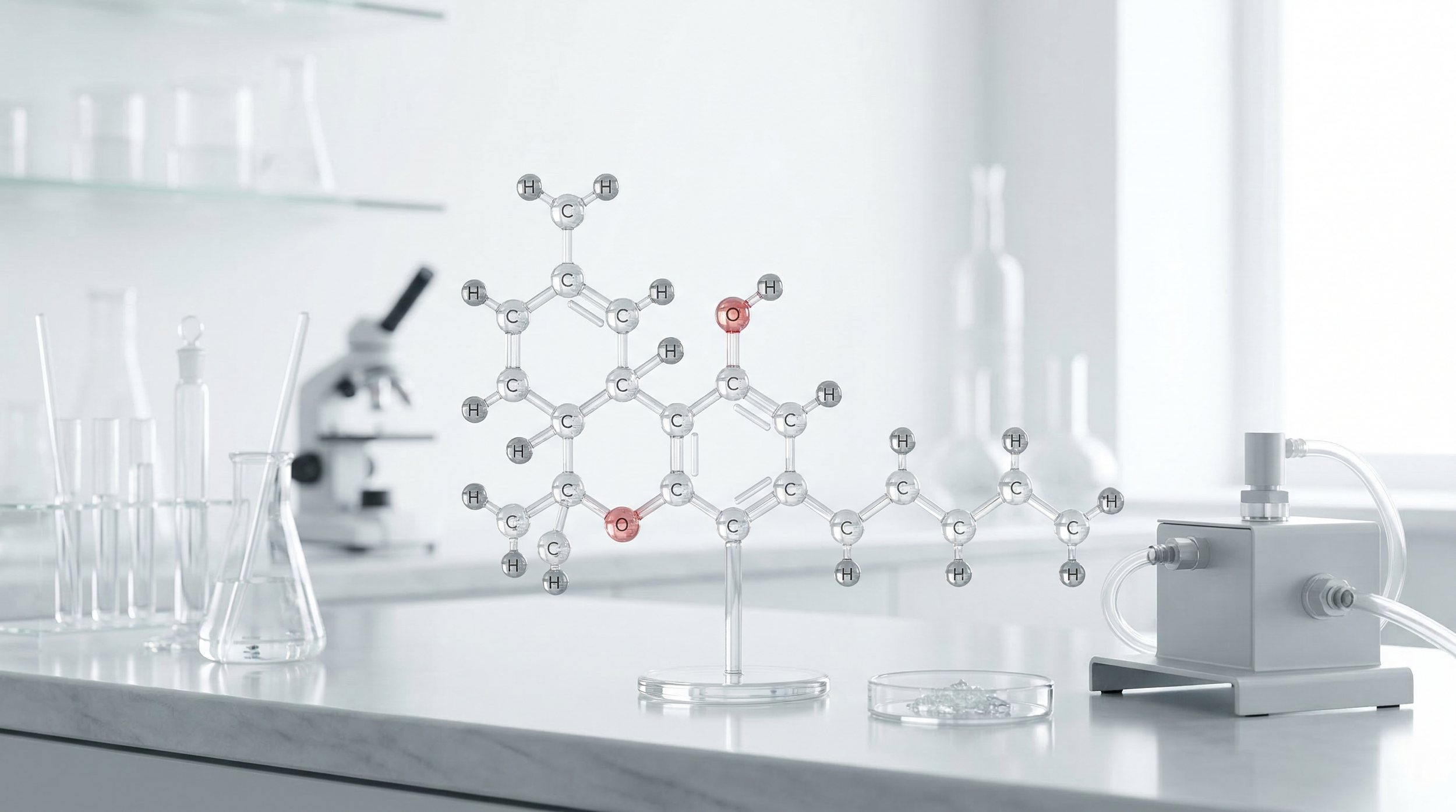
THC (Δ-9-Tetrahydrocannabinol)
The primary psychoactive compound in cannabis. It binds directly and strongly to CB1 receptors in the brain, mimicking anandamide. This direct binding is what causes the characteristic intoxicating effect. THC also has documented pain-relieving and anti-nausea properties.
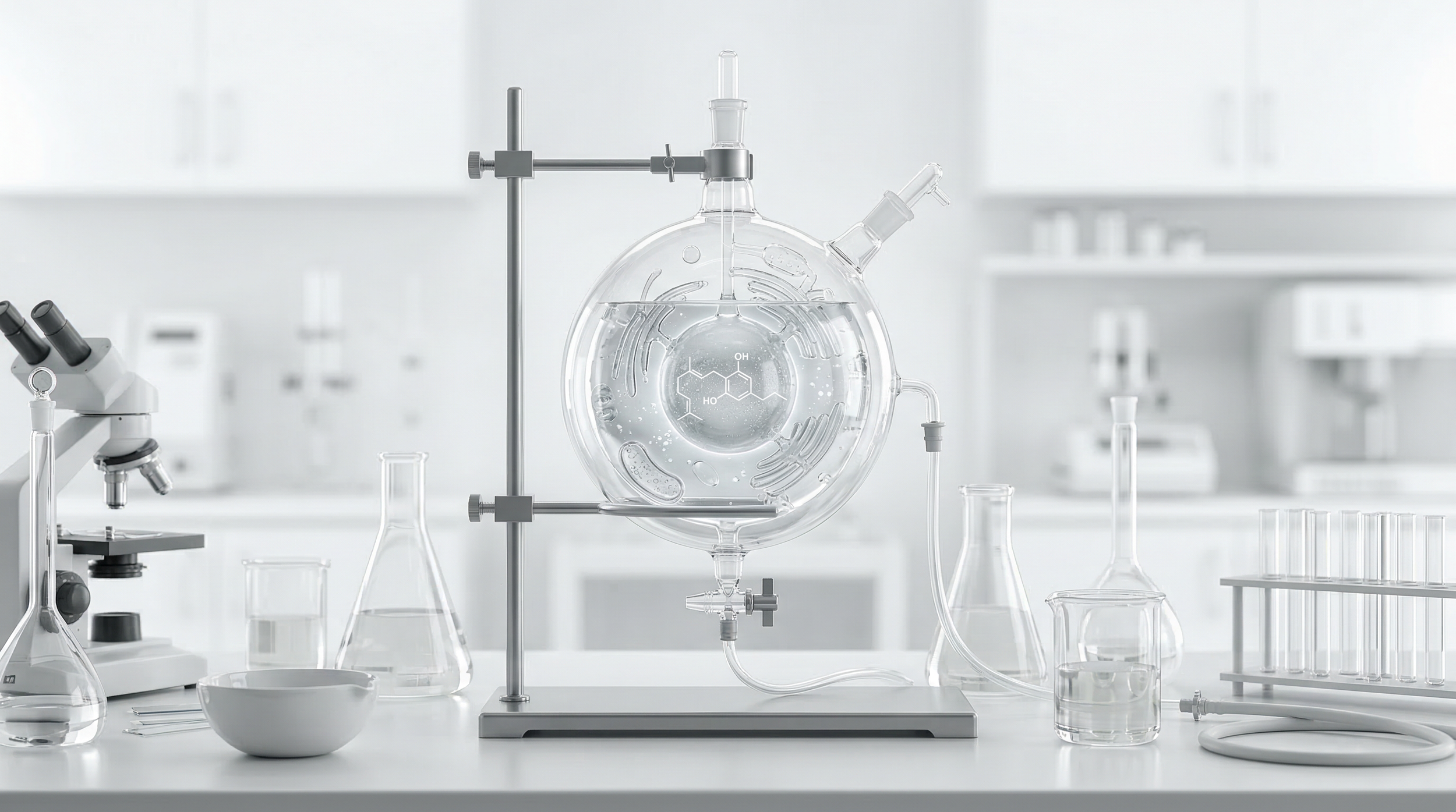
CBG (Cannabigerol)
Often called the "mother cannabinoid" because CBGA (its acid form) is the chemical precursor from which THC, CBD, and CBC are all derived. It is typically found in low concentrations in mature plants. Early research suggests anti-inflammatory and antibacterial properties.
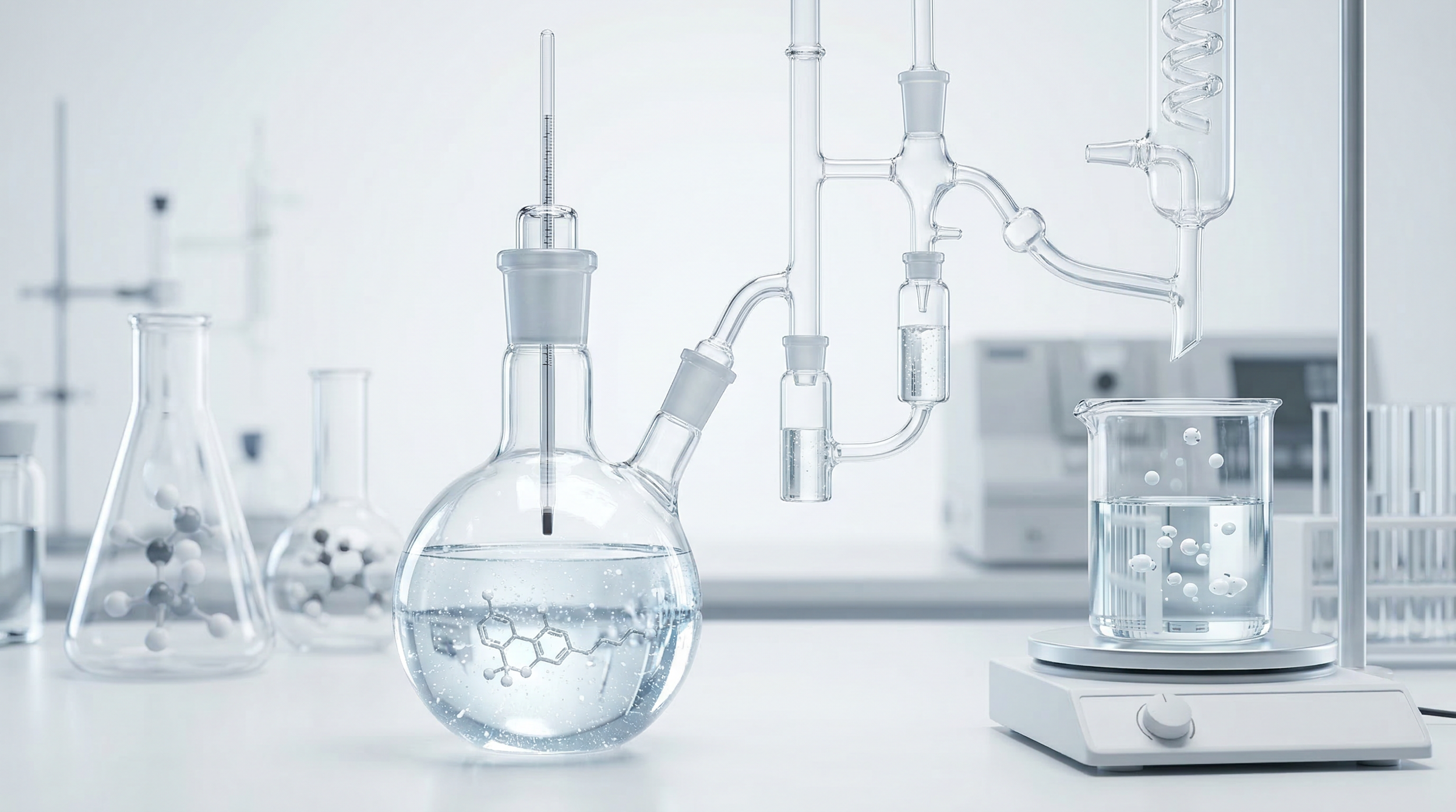
CBN (Cannabinol)
Formed naturally as THC oxidizes and degrades over time. It is mildly psychoactive — about one-tenth the potency of THC. Commonly associated with sedative effects, though research is still preliminary.
Cannabinoid - Receptor Interactions
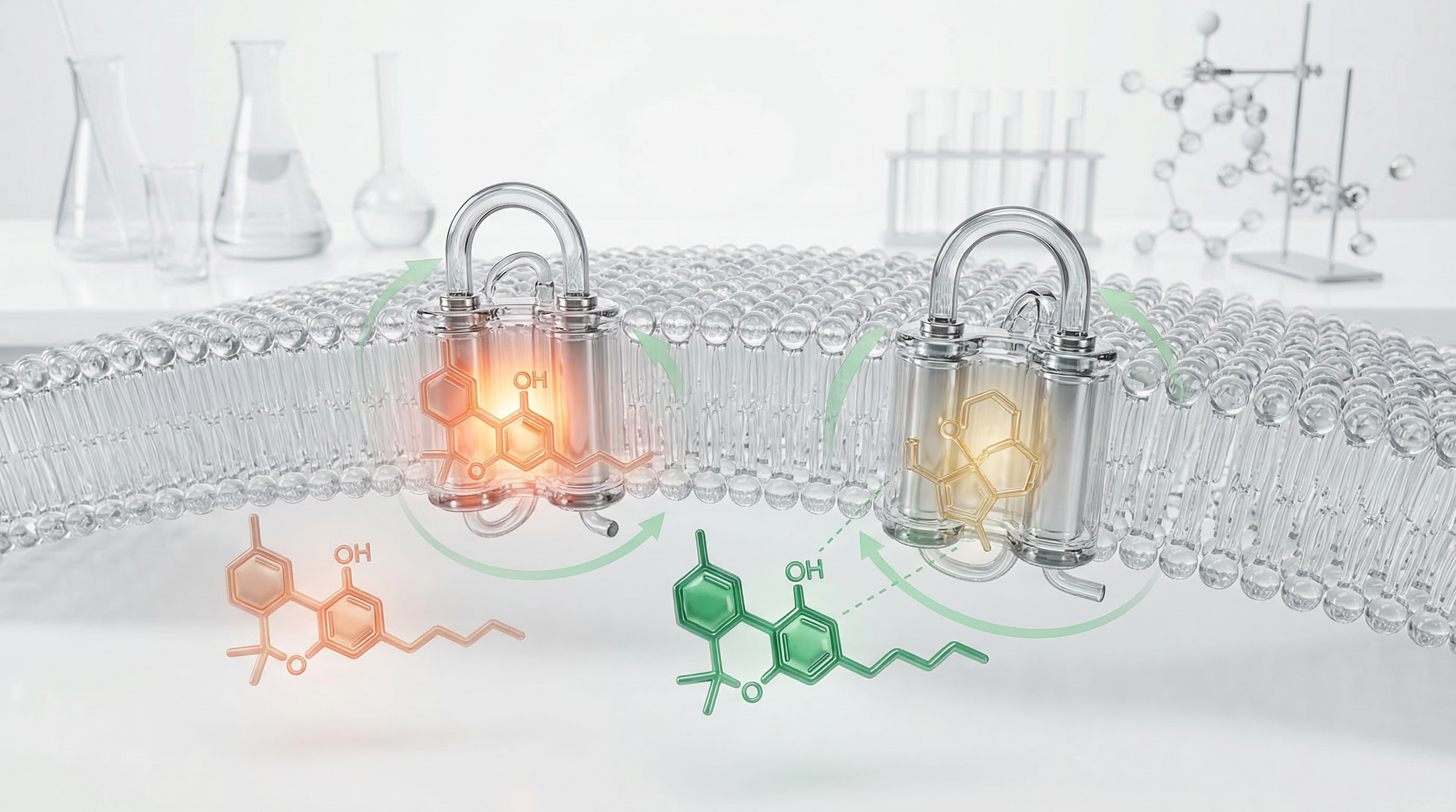
Lock and Key Relationship
• CBD, CBN, and THC fit like keys into existing human receptors
• CBD does not directly "fit" CB1 or CB2, but has powerful indirect effects still being studied
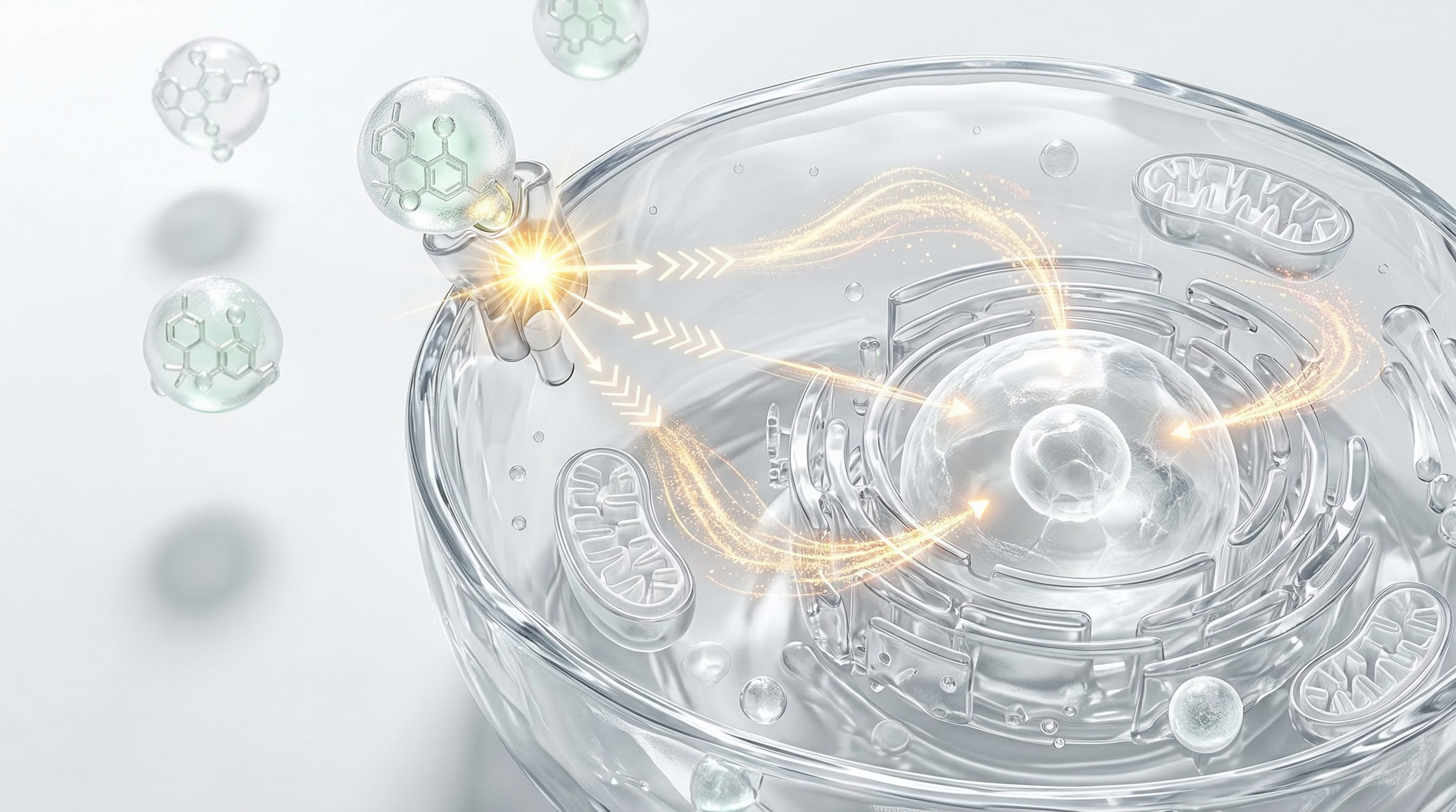
Mechanism of Actions
• Phytocannabinoids bind to receptors in the body to stimulate, supplement, and support our ECS and homeostasis.
• They take stimuli from outside of the the cells in the body and convert them to signals inside our cells.